
Beat the Texas Summer: How Heat Affects Your Nissan’s Brakes, Fluids, and Filters
We all love North Texas, but there is no denying that our summers are brutal. When the thermometer starts pushing past 100°F in Bedford, we retreat into the air conditioning. Your Nissan, however, has to be out there running in it.
Driving down Highway 183 or sitting in bumper-to-bumper traffic near the Airport Freeway generates an incredible amount of internal heat. When you combine that with the blistering Texas sun, your car’s critical components have to work twice as hard. Understanding how our climate impacts Nissan parts in extreme heat is the best way to prevent a mid-summer breakdown.
Here is a look at what happens under the hood when the temperature spikes—and how to protect your ride.
1. The Friction Factor: Nissan Brake Wear in Heat
Your Nissan brakes work by turning kinetic energy into heat through friction. On a normal day, your brake rotors can easily reach temperatures between 300°F and 600°F during standard stopping.
- The Heat Effect: When the ambient air temperature is already scorching, your brakes can’t cool down efficiently. This leads to an acceleration of Nissan brake wear in heat. Extreme heat can cause brake pads to degrade prematurely and can even lead to “brake fade,” a condition where your pedal feels spongy and your stopping distances increase.
- Our Advice: Listen for squealing or a metal-on-metal grinding sound when stopping near the Bedford Boys Ranch or local shopping centers. If your steering wheel vibrates when you hit the brakes, your rotors might be warped from the heat.
2. Under the Hood: Nissan Fluid Breakdown in Heat
Your vehicle relies on oil, coolant, brake fluid, and transmission fluid to keep moving parts lubricated and cool.
- The Heat Effect: Think of your fluids like cooking oil—when they get too hot, they thin out. High temperatures accelerate Nissan fluid breakdown, which reduces their ability to protect your engine and transmission. Your engine oil can oxidize and turn to sludge, while your coolant works overtime to keep the block from warping. If your coolant is old, it can break down completely, leading to an immediate overheat.
- Our Advice: Check your fluid levels monthly during the summer. If your oil looks pitch black or your coolant reservoir is low, it’s time to head to our service bay for a fresh exchange.
3. Breathing Room: Nissan Filter Performance in Heat
Your Nissan uses air filters to keep debris out of the engine and cabin filters to keep dust and allergens out of your nose.
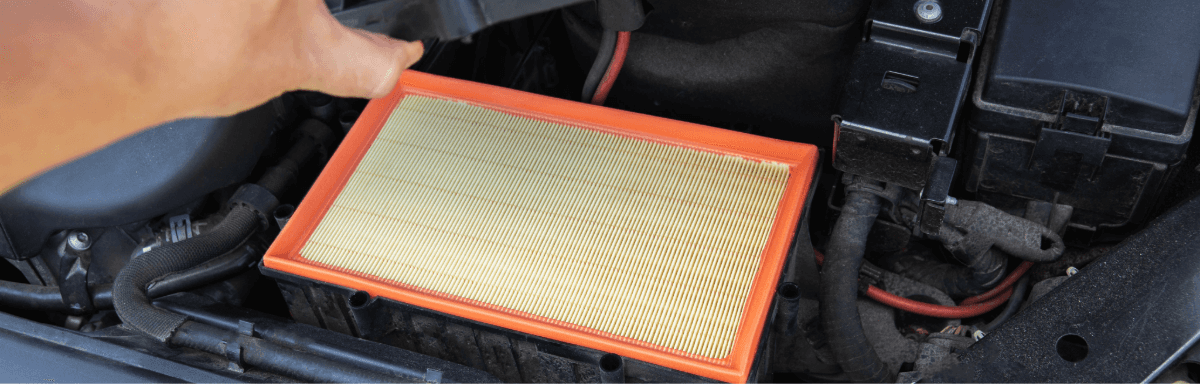
- The Heat Effect: Texas summers bring dry air, heavy dust, and high pollen counts. This seasonal spike forces your filters to trap more airborne particles than usual, causing them to clog faster. When a filter gets choked up, Nissan filter performance drops significantly. A clogged engine filter starves your motor of oxygen, forcing it to burn more fuel. Meanwhile, a clogged cabin filter strains your A/C system, making it harder to stay cool on your commute.
- Our Advice: If you notice your A/C isn’t blowing as hard or your fuel economy is dipping, a simple filter swap can work wonders.
Beat the Texas Heat at Longhorn Nissan
You don’t have to wait for a warning light on your dashboard to take action. According to the summer driving tips from AAA, heat is actually the leading cause of vehicle battery failures and mechanical breakdowns—far outpacing the winter months.
Additionally, the maintenance resources at Cars.com emphasize that preventative care before the peak of summer is the single best way to maximize your vehicle’s lifespan.
At Longhorn Nissan, we want to make sure you stay safe on every road trip this season. Swing by our Bedford service center for a quick summer tech check. We’ll inspect your brakes, test your fluids, look over your filters, and make sure your Nissan is fully prepped to handle whatever the Texas summer throws its way! If you need new parts, be sure to browse our summer-ready Nissan parts for sale.

0 comment(s) so far on Beat the Texas Summer: How Heat Affects Your Nissan’s Brakes, Fluids, and Filters